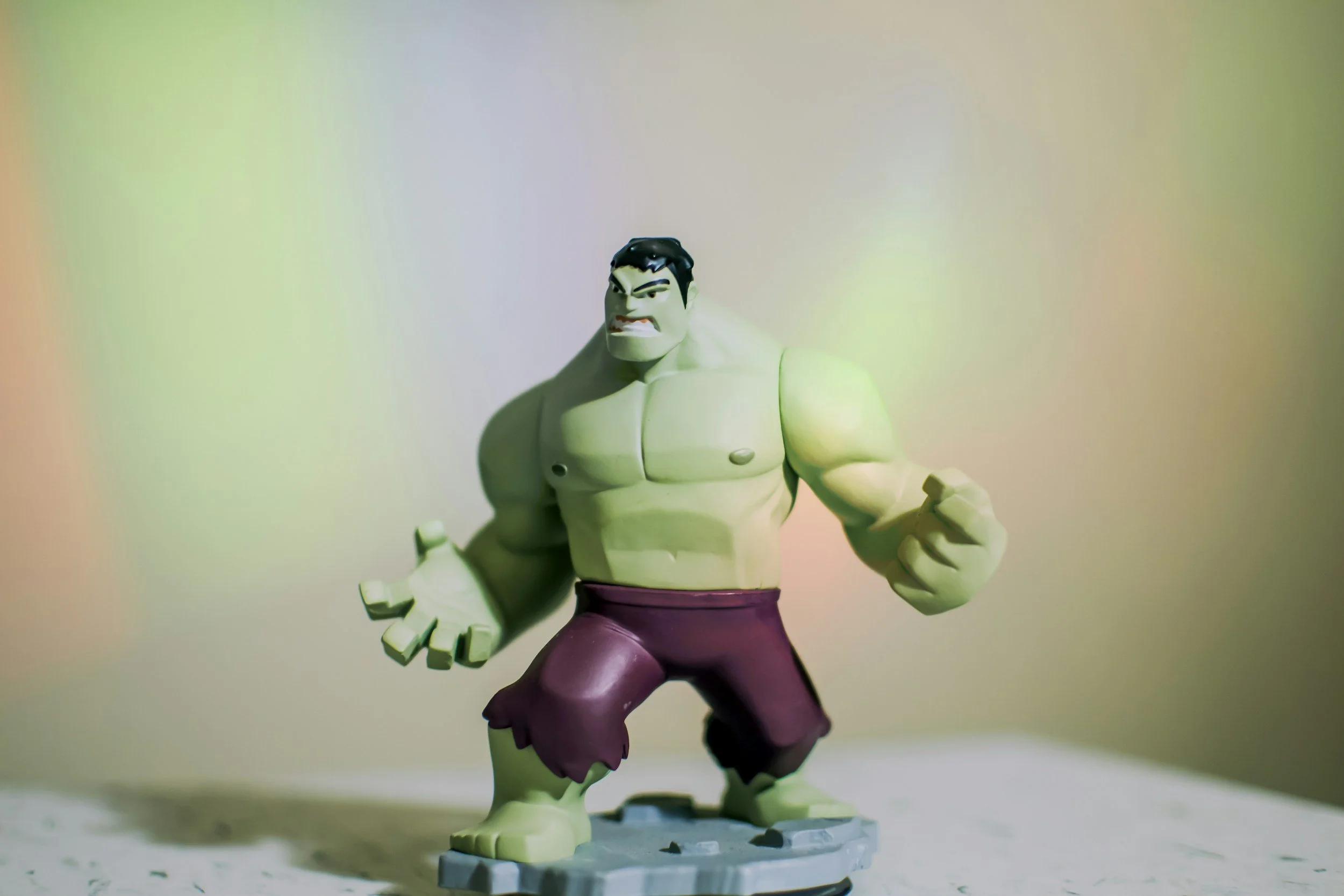
Will strength training make me bulky?
Somewhere along the way, strength training became tangled up with bodybuilding culture - huge weights, grunting, veins popping, protein shakes by the gallon. In this article, we unpack the common myth that strength training will make you look too bulky and rather how lifting actually builds tone, confidence, and longevity instead.

Beyond the basics: what happens when you keep strength training?
At first, strength training teaches your muscles how to move.
But over time, it teaches your body how to thrive. Your nervous system becomes more efficient. Your muscle fibres coordinate better. You burn energy more effectively - even at rest.

Rest is not doing nothing: how to rebuild energy through restorative Pilates
In midlife, tiredness often becomes less straightforward.
You can be active and still feel as though your energy has narrowed. You can have a ‘good’ routine and still find that recovery takes longer, that sleep feels lighter, that a busy week lands in your body in a way it didn’t ten years ago. Sometimes the most frustrating part is that it doesn’t always correlate with effort. You can have a relatively normal day and still feel drained.
Restorative Pilates, when it’s taught well, becomes a practical form of self-care rather than a vague idea. It isn’t ‘doing nothing’. It’s active recovery: a way of giving your body the signals it needs to settle, reorganise, and rebuild capacity.

Move freely again: the Summer guide to feeling light, strong and mobile
Summer is often when people realise how much mental energy they’ve been spending on their bodies.
Not because anything is ‘wrong’, but because midlife changes the background noise. A suitcase lifted out of the boot becomes a moment you think about. Walking over uneven ground becomes something you manage rather than something you simply do. Getting out of the car after a long drive comes with that familiar stiffness you try to hide by moving quickly, as though speed will make it less true.
The way back to that isn’t usually more stretching or more pushing. It’s a blend of three things: moving well, being strong enough for real life, and retraining the brain–body connection so your system stops treating everyday tasks as something to brace for.
3 surprising things strength training doesn’t do to your body (and 3 that it does)
There are a few persistent myths about strength training that stop people in their tracks, especially if you grew up believing cardio was the ‘safe’ option. So in this article, we cover what strength training doesn’t do… and what it actually does.
Why men over 40 need Pilates more than they think
Men over 40 may need Pilates more than anyone. Not because they’re weak. But because they’re tight, compressed, over-braced, and often training hard on foundations that are slowly narrowing. Research consistently shows that reduced spinal mobility and poor movement control are linked with low back pain in adults. Exercise that improves motor control and core coordination reduces recurrence of back issues. This is where Pilates fits - not as an alternative to strength training, but as its foundation.

The fall myth: how strength training helps you stay upright at any age
Falls are one of the most common fears people develop in their 50s, 60s and beyond. And yes, they’re serious, but not inevitable. Strength training is one of the most effective, evidence-backed ways to reduce falls and protect independence, even if you’ve never lifted before.
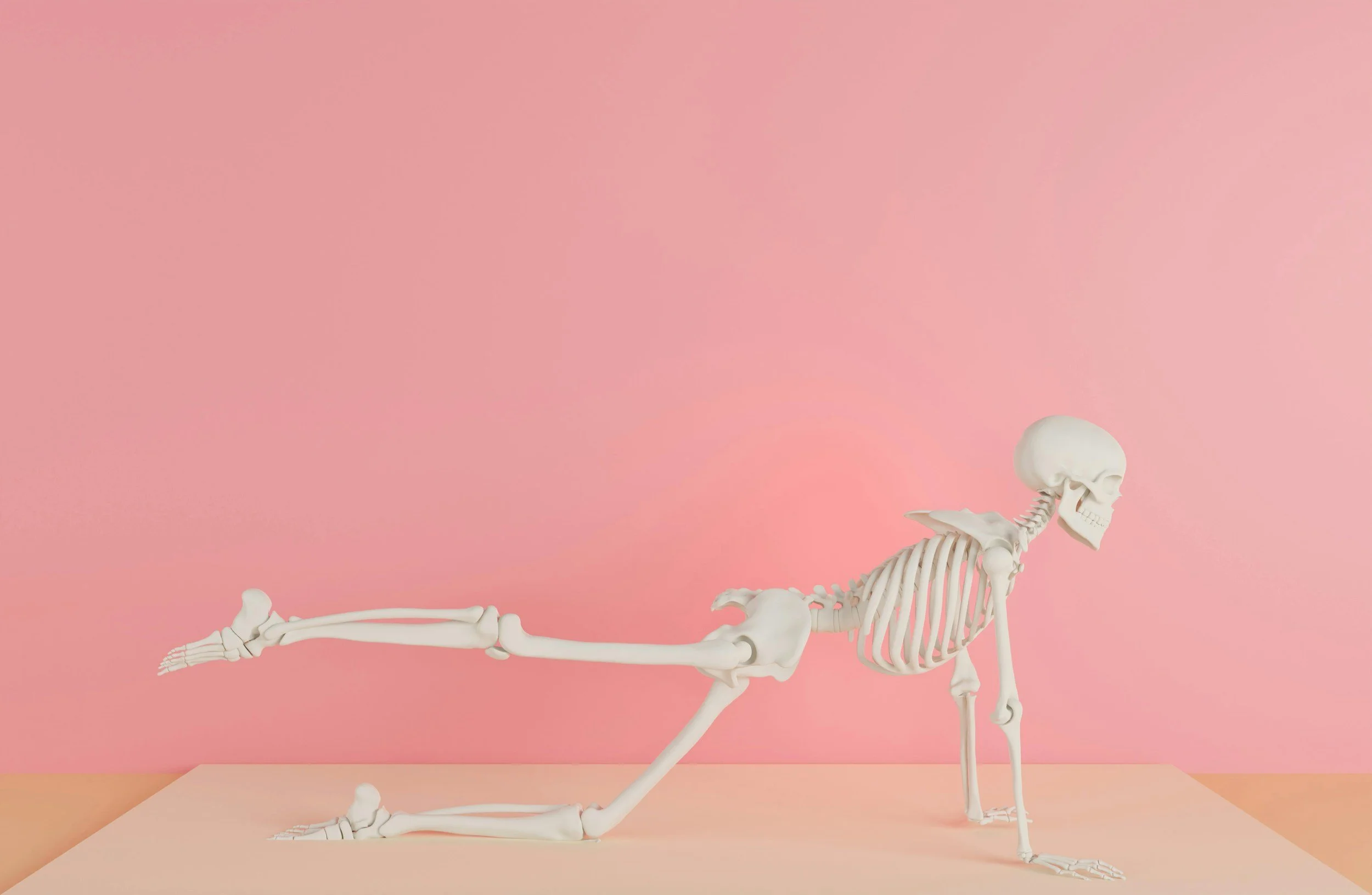
Strong bones start with control: Pilates for bone density and fall prevention
The most effective bone-health strategy is not choosing between Pilates and strength work. It’s combining progressive resistance training, impact where appropriate and control-focused movement. If you want to support bone density while improving balance, posture and long-term movement confidence, Pilates can be a powerful addition to your routine.
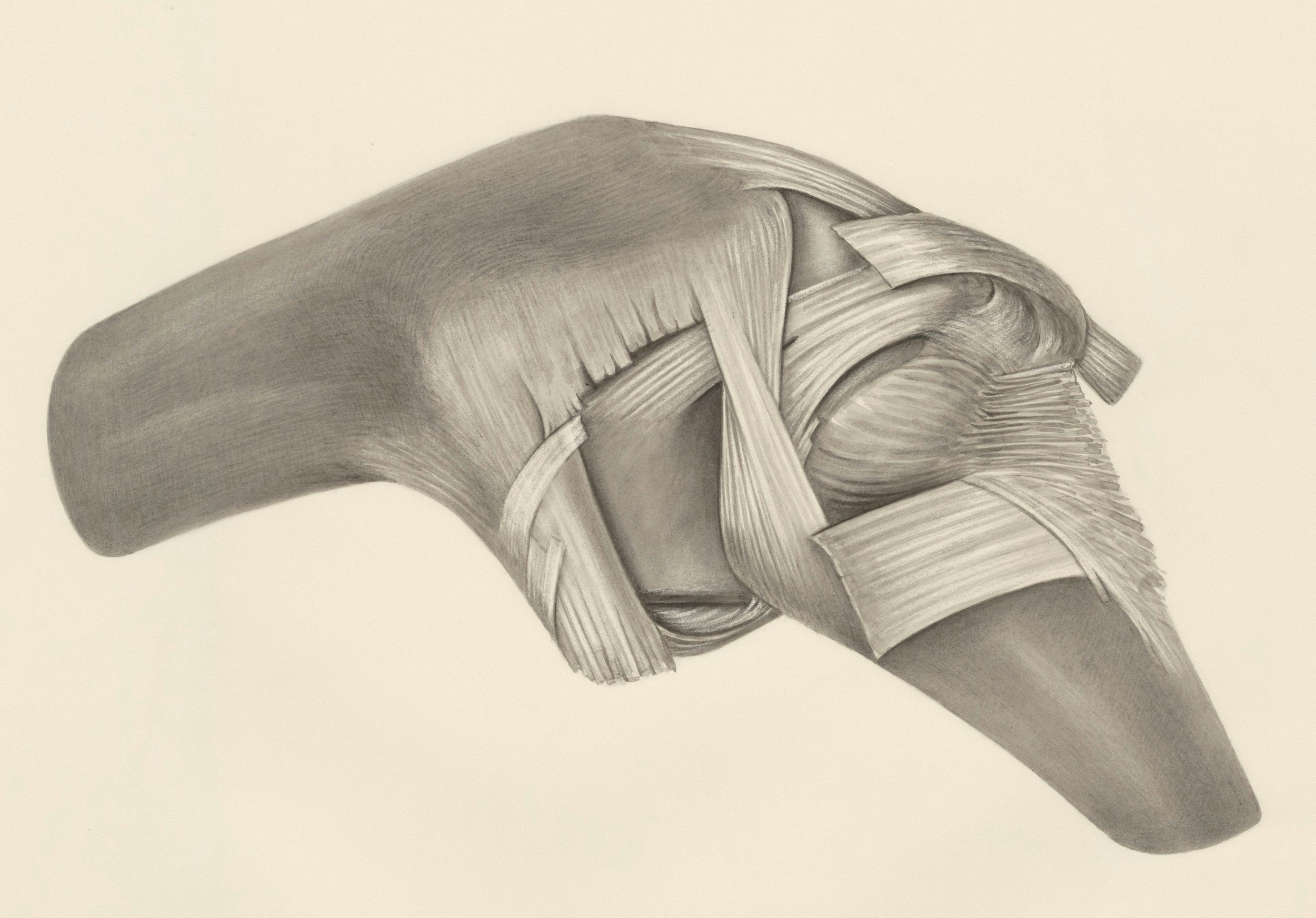
Arthritis, osteoporosis and strength training: what’s safe, what’s not
For years, people living with arthritis or osteoporosis were warned off anything involving weights. But research over the past two decades has turned that advice on its head. The right kind of strength training isn’t just safe, it’s one of the best ways to protect your joints, your bones and your independence. In this article, we unpack what’s safe, what’s not, and why you don’t need to sit this one out.

How moving with awareness reduces stress and tension
Awareness isn’t about being calm or spiritual. It’s about feedback.
Pilates trains where movement is coming from, how much effort is being used, when breath is being held unnecessarily and how the body compensates under load. This kind of movement awareness has been shown to reduce pain sensitivity and stress responses. If stress, tension or fatigue are quietly limiting your training, Pilates offers a different way forward.
The stress reset: why slowing down might be the smartest way to get stronger
As a Pilates teacher working with midlife clients every day, I see a pattern constantly. People don’t need more intensity - they need a better stress response. And this is where slowing down can actually make you stronger. Once we slow things down and re-establish control, breath and awareness, something shifts.

Your brain on strength: why lifting protects more than just your body
Strength training is one of the most underrated brain health boosters out there. It’s not just about muscle tone or metabolism.
The same process that strengthens your body also improves your focus, energy, and even memory.
3 ways strength training boosts your energy (without caffeine)
Strength training isn’t just about building tone or definition, it’s one of the most effective, sustainable ways to increase energy and reduce fatigue.

Why mobility is the missing link in midlife fitness
Why mobility is the missing link in midlife fitness - and why Pilates is uniquely effective at restoring that easy, natural sense of movement that makes strength work feel better, safer and far more energising.

Love the body you’re in: how Pilates teaches kindness through movement
Pilates isn’t about correcting a ‘problem body.’ It’s about learning to work with the one you already have - with attention, compassion, precision and patience. And when you approach movement with that mindset, everything changes: your mobility, your confidence, your strength, and your relationship with your body itself.
No time? How to build strength in just 2 × 20 minutes a week
If you’ve ever said “I’d love to start strength training, but I’m just too busy,” you’re in good company. Most of us juggle work, family, house chores, and everything else modern life throws at us. The idea of squeezing in hour-long workouts can feel impossible.
But here’s the truth: you can build real, meaningful strength in just two 20-minute sessions a week. No gym membership, no fancy kit - just focused, consistent effort.
Stiff or Injured? Understanding DOMS in your Pilates & strength journey
Understanding the difference between muscular soreness, fatigue, joint discomfort, and genuine ‘stop now’ pain is the key to progressing confidently without fear… and without ignoring warning signs your body wants you to hear. In this article, I'll help you understand what each sensation means, why some soreness is completely normal, and how to listen to your body in a way that supports long-term strength, mobility and confidence.
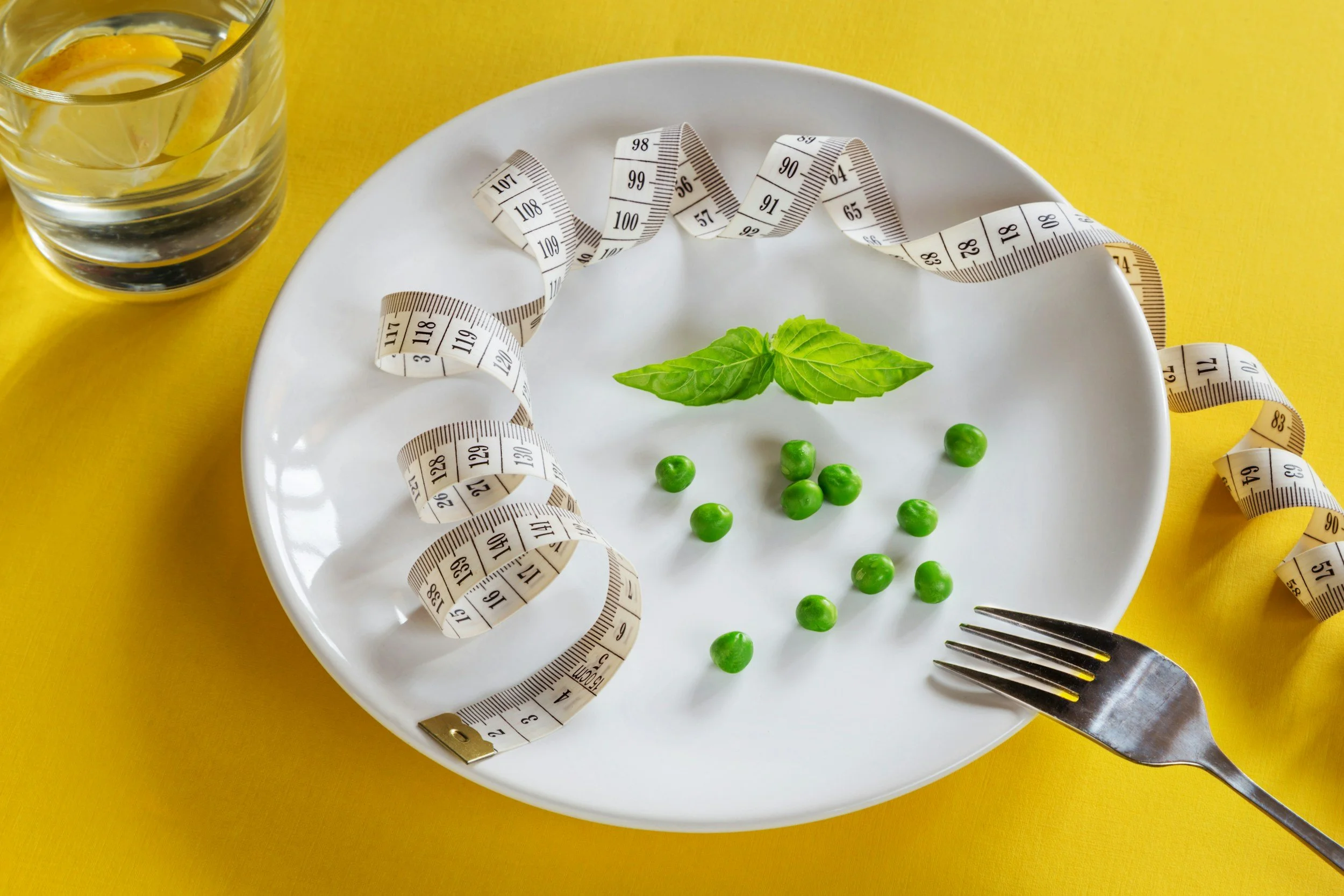
Strength without the struggle: why muscle is your best tool for weight control after 50
Strength training is one of the most effective, science-backed tools for changing your body composition and improving metabolic health - without spending your life on the treadmill. In this article, I explain how strength work helps, what it can and can’t do for fat loss, and how to fit it into real life (without starving yourself or living in the gym).

The missing link: why Pilates is the secret to pain-free strength after 50
Why Pilates supercharges strength training, the muscle groups and movement patterns involved, the research backing it, and how to blend the two for strength that genuinely lasts.
January resets don’t work: this is what builds real strength instead
What I see, year after year, is that most people aren’t failing at fitness - they’re trying to build it in a way that doesn’t match real life. Consistency isn’t something you have or don’t have. It’s something you practise. So instead of promising yourself a complete overhaul, consider a slightly different January intention.